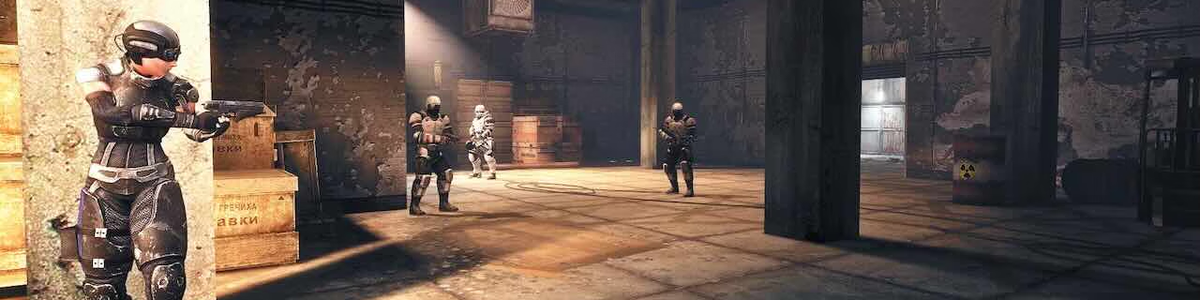
There is a reason expressions like "live-fire test" are used in real-world video game production.
I was managing director of InterWave, the studio that developed and shipped Nuclear Dawn.
The challenge
Developing a modern AAA-quality video game under constrained conditions is among the most complex undertakings in software. It's managing a vertically-integrated organization with moving technical, creative, and production targets.
Nuclear Dawn’s production was further complicated by a remote, distributed team, a tight budget, and a multi-year timeline overlapping with rapid shifts in hardware, tools, and market expectations. Traditional management frameworks struggled to keep pace with this volatile, high-stakes environment.
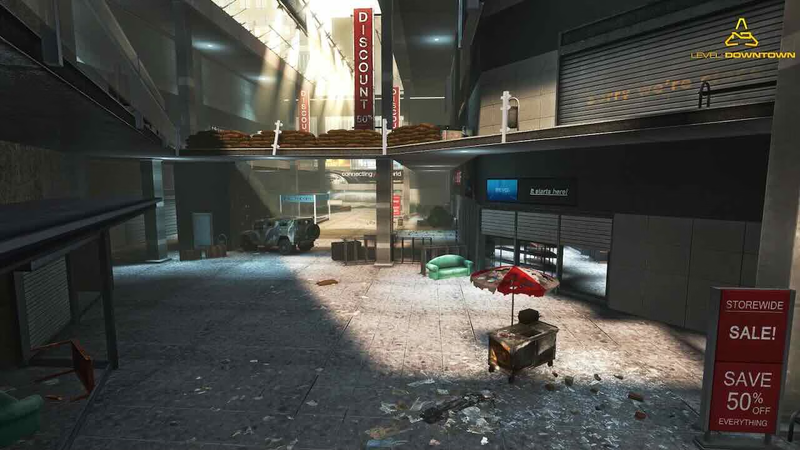
The core problems
- Rapid platform evolution: game platforms and frameworks change faster than production cycles, demanding continuous technical adaptation.
- Complex team dynamics: specialists across art, code, audio, and design each required different management approaches. One-size-fits-all processes consistently fail.
- Process rigidity: standard approaches such as strict waterfall or uncontrolled agile break down under real-world conditions.
- Coordination complexity: multi-discipline synchronization across years of development magnified communication and planning risk.
Solution approach
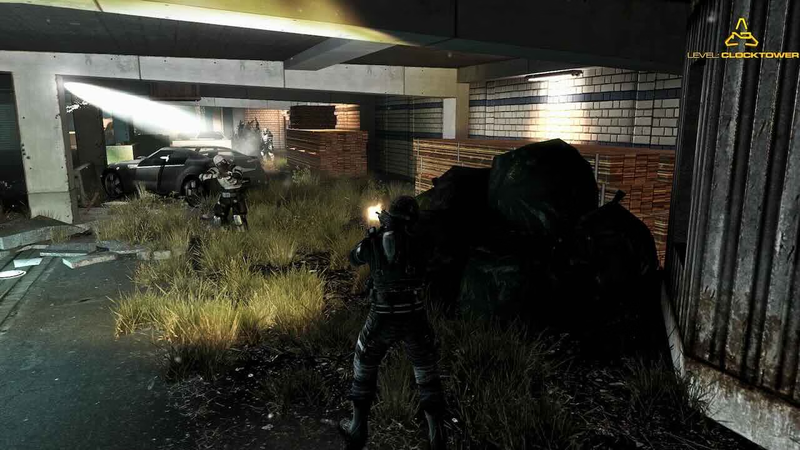
The Nuclear Dawn project became a masterclass in adaptive management. The team abandoned rigid methodologies in favor of a bespoke, hybrid production framework tailored to each domain:
- Workflow specialization: management practices were adapted per discipline: creative, technical, and production teams each received fit-for-purpose structures.
- Ad-hoc process orchestration: instead of enforcing one methodology, the team blended agile, waterfall, and iterative approaches to match shifting needs.
- Technology-first mindset: continuous integration of modern tools and real-time tracking technologies provided visibility and control.
- Empowered expertise: specialists were given autonomy where appropriate, balanced by tighter coordination where necessary.
Outcomes and results
- Commercial & critical success: Nuclear Dawn launched successfully despite constraints, proving the viability of adaptive management in AA-level development.
- Process learning: the project yielded deep institutional knowledge on scaling multidisciplinary teams in rapidly changing technical environments.
- Methodology innovation: the experience validated that no single methodology fits all: the optimal solution is a deliberate, evolving mixture tuned to the realities of the project.
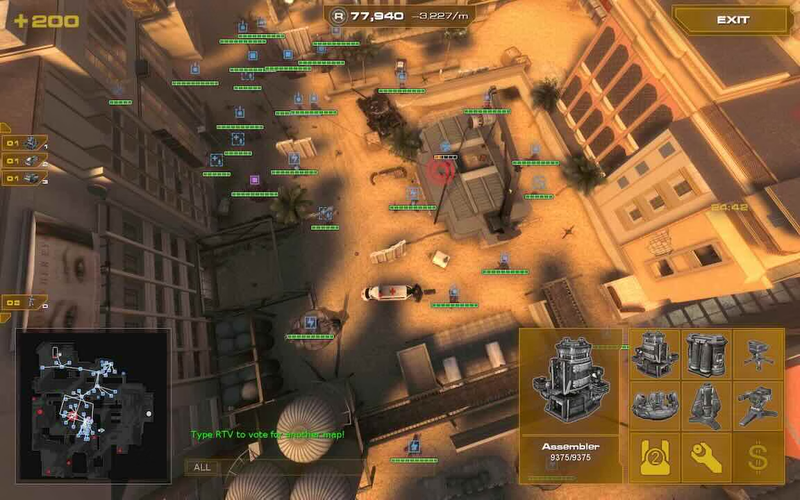
What this taught me
- There is no correct methodology. Waterfall and agile are tools, not religions. The job is to blend them for the situation at hand.
- Staying ahead of toolchains and frameworks reduces friction more than any process improvement.
- You cannot lead a technical team from a distance. Understanding each domain deeply enough to make real decisions is not optional.
- Success comes from designing processes around the problem, not from adhering to someone else's framework.
Lessons for future projects
Don’t go into game development. Pick something more relaxing instead, like alligator dentistry.
The only durable solution is to get your hands dirty to craft the right mixture of techniques while embracing technology. Even, or especially, amid a chorus of competing demands.
Nuclear Dawn demonstrates that complex, multi-year, multi-discipline projects succeed not through rigid adherence to management theory, but through adaptive, domain-aware leadership.